Transforming Traditional Training into Engaging eLearning Experiences
Understanding the Shift from Traditional to eLearning
In today's fast-paced world, the way we learn and acquire new skills is rapidly evolving. Traditional training methods, which often involve in-person lectures and physical materials, are increasingly being replaced by digital platforms. This transformation is not just about convenience but also about creating more engaging and effective learning experiences.
eLearning offers a flexible approach that allows learners to access content at their own pace, from anywhere in the world. This shift is particularly beneficial for organizations looking to train a diverse workforce spread across different locations.
Benefits of eLearning Over Traditional Methods
Flexibility and Accessibility
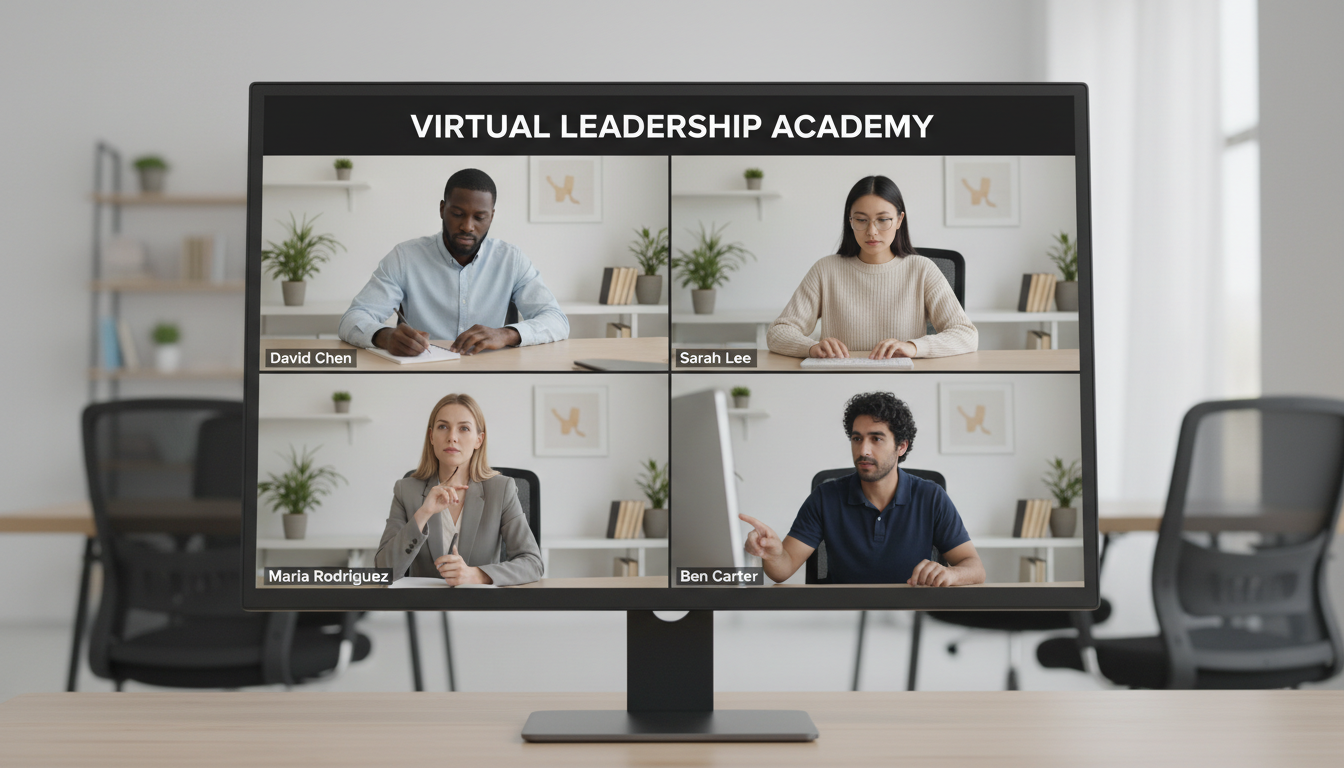
One of the most significant advantages of eLearning is its flexibility. Learners can choose when and where to engage with the material, making it easier to fit training into their busy schedules. This accessibility also means that employees can revisit content as needed, reinforcing their understanding.
Cost-Effectiveness
eLearning can be more cost-effective than traditional training methods. By eliminating the need for physical materials and travel, organizations can significantly reduce expenses. Additionally, digital platforms often have analytics tools that allow for better tracking of learner progress and outcomes.

Creating Engaging eLearning Content
Interactive Elements
To transform traditional training into compelling eLearning experiences, it's essential to incorporate interactive elements. These can include quizzes, simulations, and gamification, which can help maintain the learner's attention and improve retention.
Multimedia Integration
Using a mix of videos, infographics, and audio clips can make learning more dynamic. Multimedia elements cater to different learning styles and can break up text-heavy content, making it more digestible and engaging.

Implementing eLearning in Your Organization
Choose the Right Platform
Selecting an appropriate Learning Management System (LMS) is crucial to the success of your eLearning program. An effective LMS should be user-friendly, scalable, and equipped with features that support various types of content and interactivity.
Continuous Feedback and Improvement
Gathering feedback from learners is vital for continuous improvement. Regularly updating content based on learner feedback ensures that the training remains relevant and effective. This iterative process helps in maintaining the quality of the learning experience.

Conclusion
Transforming traditional training into engaging eLearning experiences is more than just a trend—it's a necessity in today's digital age. By leveraging the benefits of digital platforms, organizations can create training programs that are not only more effective but also more enjoyable for learners. As we move forward, the focus will continue to be on innovation and accessibility, ensuring that learning is a lifelong and enriching process.