The Latest Trends in Educational Technology Integration for E-Learning
Embracing AI in E-Learning
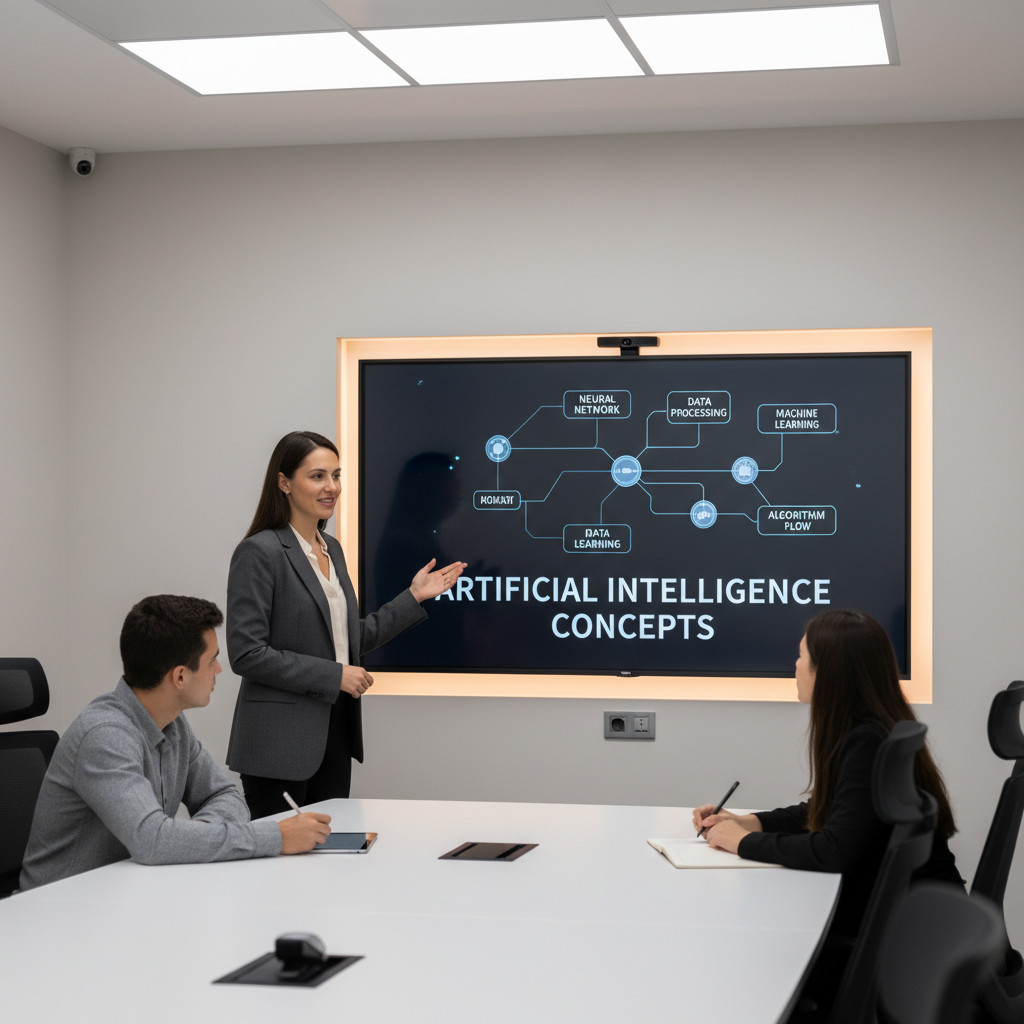
The integration of artificial intelligence (AI) in educational technology is revolutionizing e-learning. AI-driven platforms personalize learning experiences by adapting content to meet individual student needs. This technology can assess a learner’s progress and provide tailored recommendations, ensuring a more efficient learning journey.
AI is also enhancing the capabilities of virtual tutors and chatbots, offering real-time assistance and feedback. These tools help bridge the gap between students and instructors, providing support that is both immediate and scalable.
Gamification: Making Learning Interactive
Gamification is a trend that continues to gain traction in e-learning environments. By incorporating game mechanics into educational content, students are more engaged and motivated to learn. This approach not only makes learning fun but also helps improve retention rates.
Elements such as points, badges, and leaderboards can create a competitive yet collaborative learning culture. Gamification encourages students to complete tasks and participate actively, transforming mundane lessons into exciting challenges.
Virtual and Augmented Reality
Virtual Reality (VR) and Augmented Reality (AR) have opened up new possibilities in e-learning. These immersive technologies provide hands-on experiences that were previously impossible in a traditional classroom setting. For instance, medical students can practice surgery in a virtual environment, while history students can explore ancient civilizations.

AR, on the other hand, enhances real-world environments with digital overlays, offering interactive learning opportunities. Both VR and AR are proving to be invaluable tools in fostering deeper understanding and engagement.
Mobile Learning: Learning on the Go
With the proliferation of smartphones and tablets, mobile learning has become a critical component of e-learning. This trend allows students to access educational content anytime and anywhere, making learning more flexible and accessible.
Mobile-friendly platforms and applications are designed to provide a seamless learning experience on the go. This convenience supports a diverse range of learning styles and schedules, catering to the modern learner's need for flexibility.

Data-Driven Insights and Analytics
Data analytics is playing an increasingly important role in e-learning by providing insights into student behavior and performance. Educators can utilize this data to enhance teaching strategies, identify at-risk students, and improve course content.
By leveraging analytics, institutions can make informed decisions to optimize learning outcomes. This data-driven approach ensures that educational resources are effectively utilized, leading to improved student success rates.
The Rise of Collaborative Tools
Collaboration is a key aspect of the modern educational landscape. Tools like video conferencing, shared documents, and online forums enable students to work together, regardless of their physical location.

The integration of these collaborative technologies fosters communication, teamwork, and problem-solving skills. As remote learning becomes more prevalent, such tools are essential for maintaining a connected and interactive educational experience.