
Case Study: Successful eLearning Integration for a Lakeland Company
Introduction to eLearning Integration
In today's fast-paced digital world, companies are increasingly turning to eLearning solutions to enhance employee training and development. A Lakeland-based company recently undertook a groundbreaking project to integrate eLearning into their corporate structure, resulting in significant improvements in productivity and employee satisfaction.
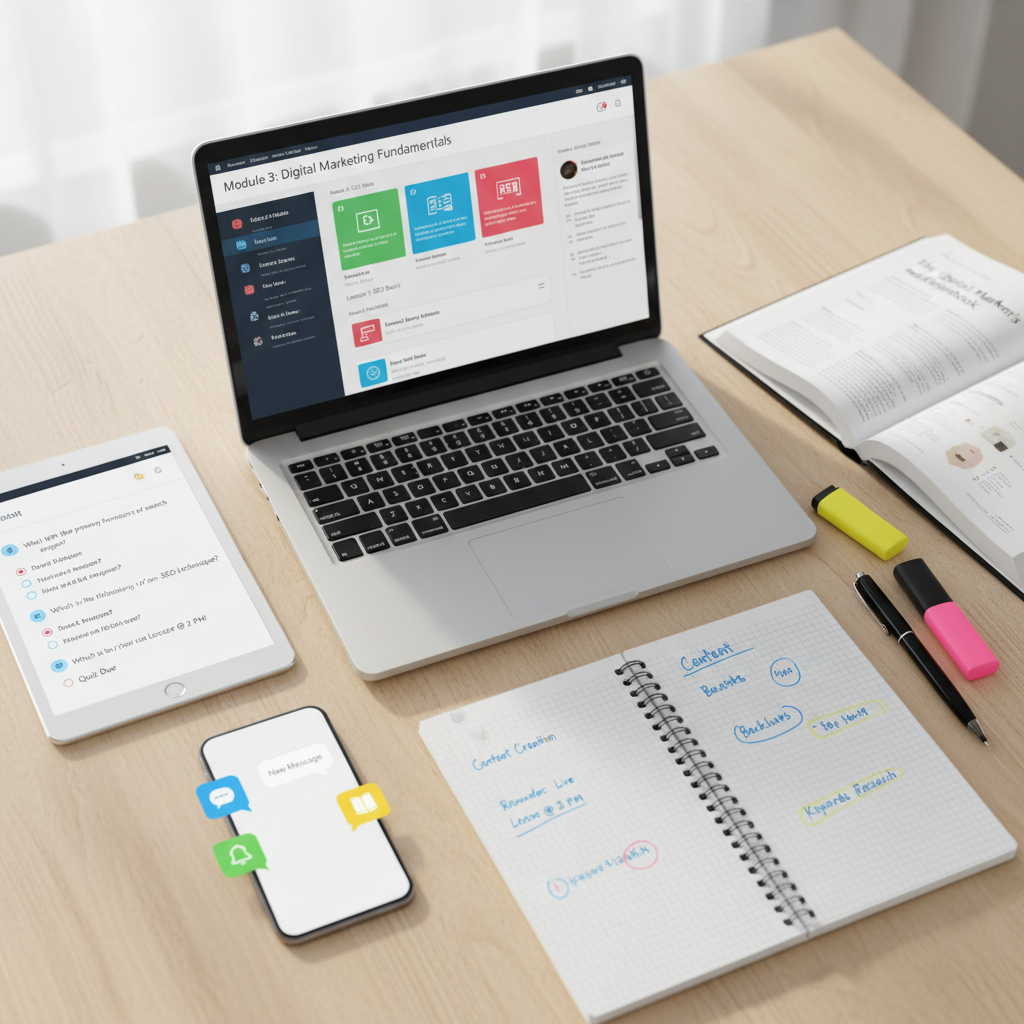
Understanding the Need for Change
The company faced several challenges with their traditional training methods, including high costs, inconsistent delivery, and limited accessibility. Recognizing these issues, the management team decided to explore eLearning as a solution to streamline their training processes. This decision was driven by the need to provide flexible, scalable, and effective training programs that could reach employees across various locations.
Implementation Strategy
The integration process began with a thorough assessment of the company's training needs. A dedicated team was formed to oversee the project, ensuring that all aspects of the implementation were carefully planned and executed. The strategy involved:
- Identifying key learning objectives.
- Selecting a suitable eLearning platform.
- Developing customized content tailored to the company's needs.
- Providing training for staff to use the new system effectively.

Overcoming Challenges
Throughout the integration process, the company encountered several challenges, including resistance to change among employees and technical difficulties. To address these issues, the company implemented a change management strategy that included regular communication, feedback sessions, and incentives for early adopters. Technical support teams were also on standby to resolve any technical glitches swiftly.
Benefits of Successful eLearning Integration
The successful integration of eLearning brought numerous benefits to the company. Some of the most notable improvements included:
- Cost Reduction: Reduced expenses related to travel and physical materials.
- Increased Accessibility: Employees could access training materials from anywhere, at any time.
- Enhanced Engagement: Interactive content led to higher engagement and retention rates.

Employee Feedback and Satisfaction
The response from employees was overwhelmingly positive. Many appreciated the new system's flexibility, allowing them to balance their work and training more effectively. Surveys conducted post-implementation showed a marked increase in employee satisfaction and confidence in their roles.
Future Prospects
Building on this success, the company plans to expand its eLearning offerings by incorporating advanced features such as virtual reality and AI-driven personalization. These innovations aim to further enhance the learning experience, keeping the company at the forefront of modern training solutions.
Conclusion
The case study of this Lakeland company demonstrates the transformative potential of eLearning integration. By addressing challenges strategically and focusing on tailored solutions, businesses can achieve substantial improvements in training efficiency and employee satisfaction. This successful implementation serves as a model for other organizations looking to embrace digital transformation in their training programs.